From the Field
Why Local Wins Again
The most overlooked leasing opportunities may already be part of the neighborhood.
3 min read
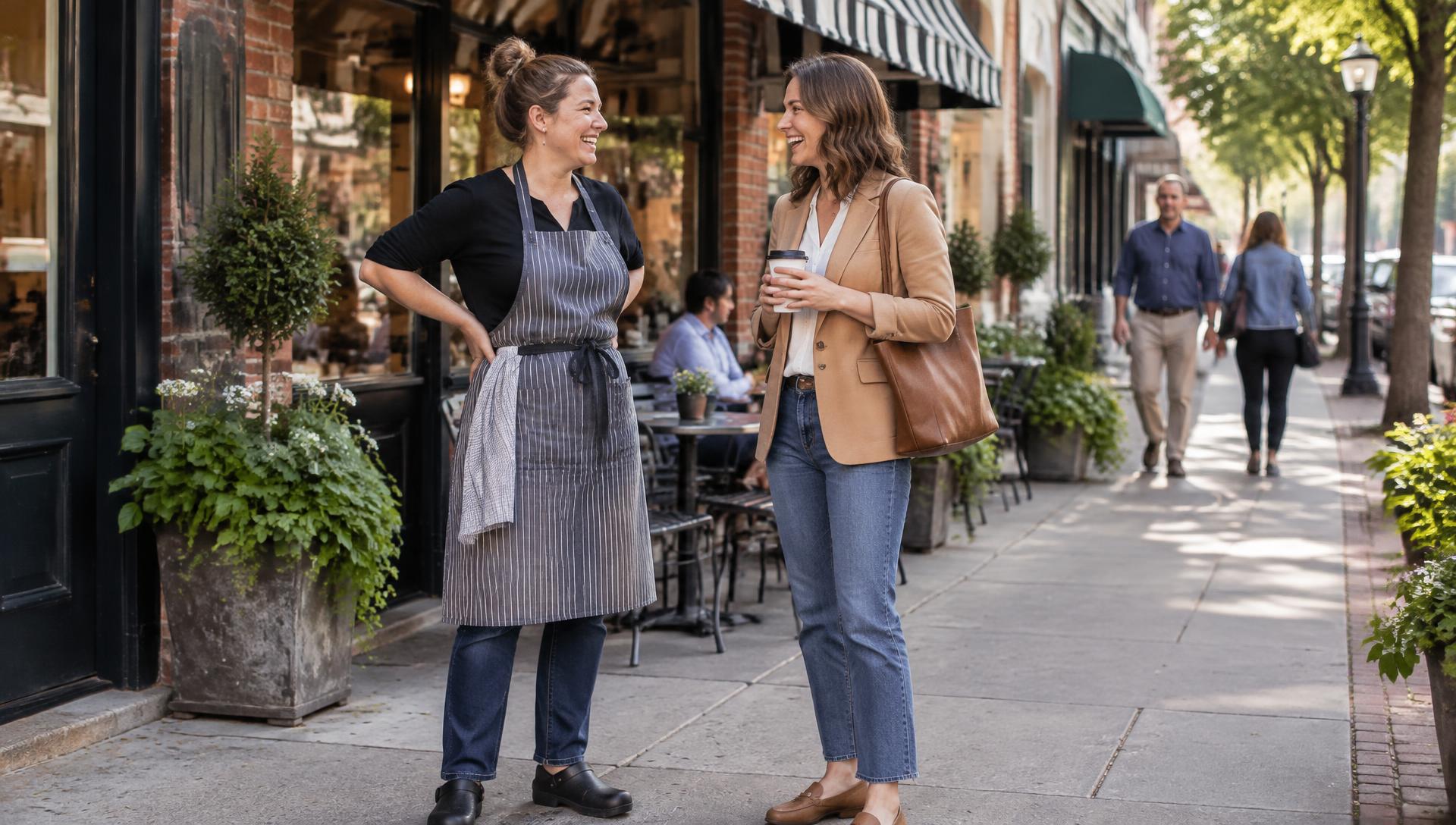
Market reports are wonderful things. They will tell you the submarket's occupancy, average effective rent, how many units delivered last quarter and how many concessions are floating around. What they will not tell you is that the hospital two miles east just added a night shift, that the road outside your entrance turns into a parking lot at 5:10 every weekday, or that the owner of the bakery on the corner is asked twice a week where a new arrival might find a decent apartment.
That second kind of knowledge does not come from a report. It comes from people. And it is often where the most useful leasing intelligence lives.
Data describes. People explain.
Consider two leasing professionals at neighboring communities. Both know that job growth in their area is strong. Only one knows which employers within ten minutes are hiring, which are relocating staff from out of state, and which human resources coordinator gets asked about housing every time a new hire signs an offer letter.
The first can say the area is growing. The second can say, "A lot of our residents work at the medical campus — the drive is about eight minutes if you take the back road, and there's a group of nurses here who carpool for the early shift." One of those statements is accurate. The other is persuasive.
This kind of intelligence tends to sit with people who are not in the apartment business at all: the HR coordinator who welcomes new employees, the restaurant owner who hears newcomers asking for recommendations, the pastor, the coach, the barber. And, most valuable of all, current residents, who know exactly why they chose to live where they live — and are usually happy to tell you if someone asks.
How firsthand knowledge is gathered
Gathering it is not complicated. It is just slower than downloading a report.
It starts with curiosity. When a new resident moves in, ask where they work and what brought them to the area. When a prospect tours, ask what else they are considering and why. When a team member grabs lunch nearby, ask the owner how business is going and who their regulars are. None of this requires a script. It requires a genuine interest in the neighborhood and a place to write down what you learn.
Over a few months, patterns appear. Perhaps a surprising number of residents work at one employer. Perhaps prospects keep mentioning a particular school. Perhaps the most common reason people leave is a commute that became longer after a construction project nobody on site had thought about. Each of these is a small piece of intelligence. Together, they form a picture that no listing service can provide.
A market report tells you the neighborhood is growing. A neighbor tells you why.
A hypothetical week of listening
Imagine a leasing manager who decides to spend one hour a day for a week simply learning the neighborhood. Monday, she reviews where current residents work and maps the top five employers. Tuesday, she introduces herself at two nearby businesses — not with flyers, but with a question about what newcomers to the area usually ask them. Wednesday, she calls three residents who renewed recently and asks what kept them. Thursday, she drives the commute to the largest employer at rush hour. Friday, she shares what she learned with the team.
Nothing about that week is dramatic. But by Friday, her team can answer questions with specifics that most competitors cannot — and they know where to look next.
Relationships, not reach
Local outreach is sometimes mistaken for blanketing a neighborhood with offers. That approach is easy to measure and even easier to ignore. Meaningful neighborhood intelligence comes from a handful of real relationships, kept up over time, in which the community is a helpful and reliable contact rather than a constant pitch.
Digital marketing will continue to play a central role in how renters find apartments. Firsthand knowledge does not replace it. It adds the one thing a search filter cannot: someone who actually knows the neighborhood, and is glad to share it.