
From the Field
The Details Residents Notice
From the condition of a walkway to the warmth of a welcome, the smallest details often reveal the most about an apartment community.
4 min read
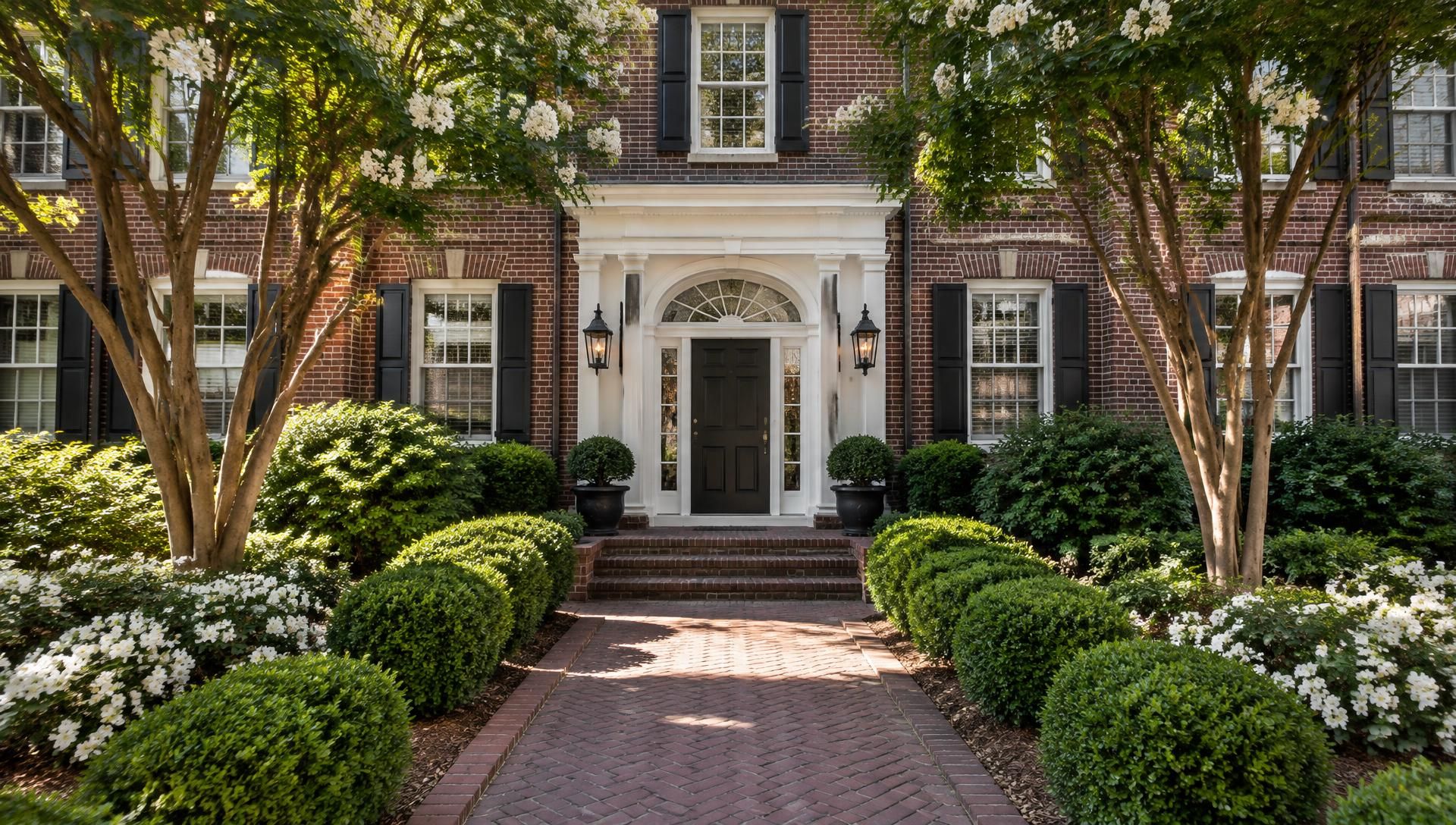
It takes most people about forty steps to get from a parking space to a leasing office door. That is roughly half a minute. No one has said hello yet. No one has mentioned the floor plans, the pet policy or the move-in special. And yet, by the time a visitor reaches for the handle, they have already formed an opinion about the community — and it is surprisingly hard to change.
What happens in those forty steps is not architecture. It is attention. The swept walk or the scatter of last week's leaves. The shrubs that have been shaped, or the ones that have simply been allowed to happen. The light beside the door that works and has clean glass, or the one with a small graveyard of insects inside it. The breezeway that smells like nothing at all, which is exactly what a breezeway should smell like, or the one that quietly announces trash day.
Visitors rarely name any of this. Ask them afterward and they will say the property "felt well kept" or "seemed a little tired." But what they are really answering is a question nobody asks out loud: do the people who run this place notice things?
The building speaks first
A modest building that is carefully kept often feels more trustworthy than an impressive one showing signs of neglect. Peeling paint on a stair rail or a dented mailbox door is a small thing. It also suggests, fairly or not, that larger problems may be waiting their turn.
Current residents read the same signals, and they read them every day. Most communities have at least one burned-out fixture that has been out so long it has practically become a landmark. Residents do not file complaints about it. They simply absorb it, morning after morning, as information about how quickly the community responds. Months later, that information has a way of appearing in a renewal conversation or an online review — usually in a sentence that begins, "It's fine, but…"
This is why details matter beyond appearance. They shape confidence. Confidence shapes reputation. And reputation, quietly and persistently, influences both leasing and retention.
Familiarity is the enemy
The difficulty is that the people who know a property best are the least able to see it. A team that walks past the same cracked paver every morning eventually stops registering it. That is not carelessness; it is how human attention works. The brain files familiar things under "already handled."
The remedy is simple, though it takes discipline: walk the property regularly as if you have never seen it before.
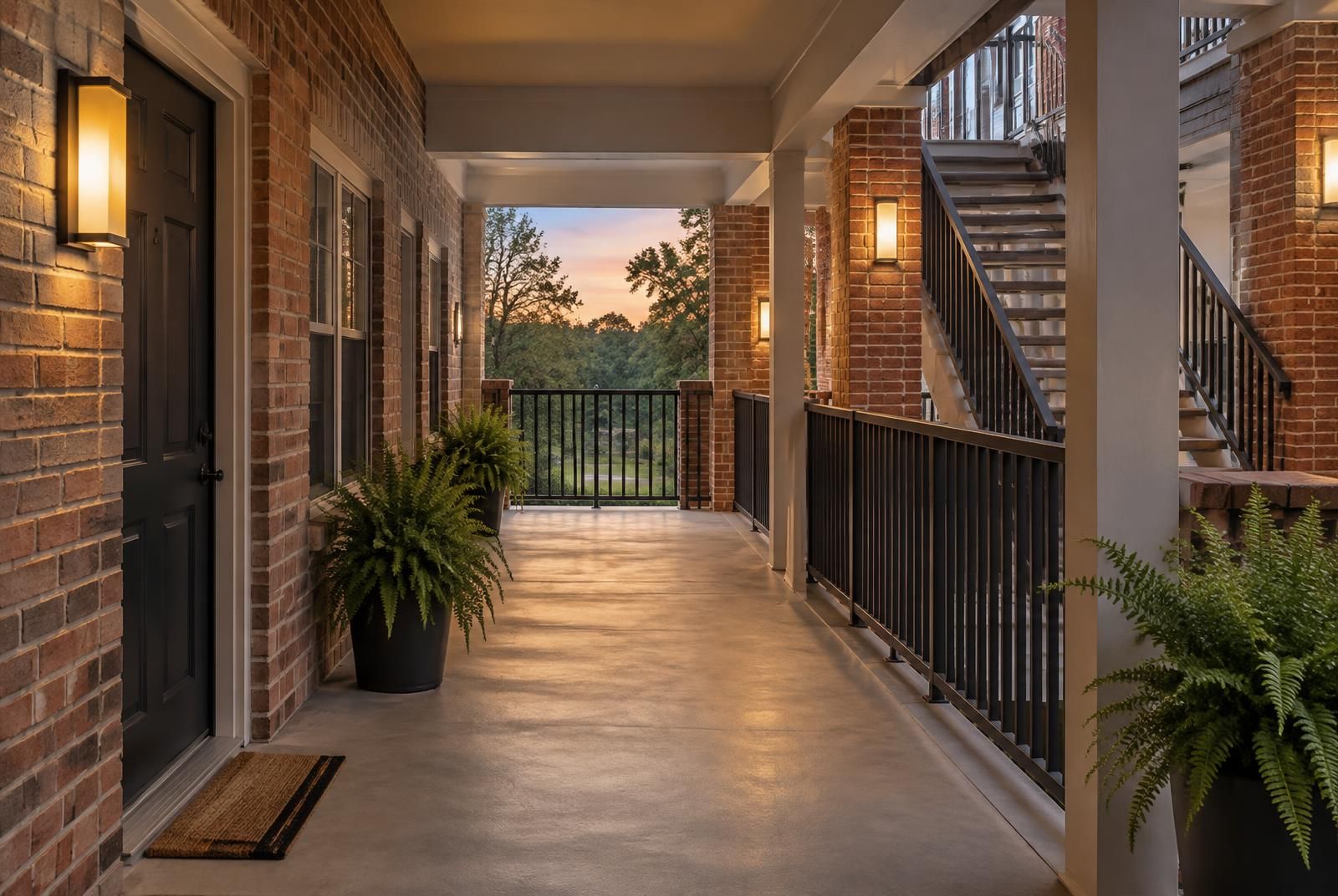
Start where a visitor starts — at the street and the main approach, not at the office. Follow the route a prospect would take on a tour, including the path to the model and to the apartment you most want to lease this week. Notice what you hear and smell as well as what you see. Then try the same walk after dark. A community that looks crisp at ten in the morning can feel very different at seven in the evening, when half the pathway lights are doing their best impression of candles.
Rotate who takes the walk. A maintenance technician will spot the loose handrail. A leasing professional will notice the stained welcome mat. A regional manager will see the faded sign everyone else stopped reading years ago. Each perspective is useful, and together they are remarkably thorough.
Small list, closed loop
Keep the list short and shared. Assign each item to a person, give it a date and close the loop when it is done. A walk that produces a list nobody acts on is just a pleasant stroll with a clipboard.
The goal is not perfection. It is attentiveness — the visible sense that someone cares about the place every day, not only before an inspection or an important tour.
Residents may never thank a team for a clean walkway or a working light. But they notice. And somewhere in those first forty steps, the conversation about whether to live here has already begun.