From the Field
The Communities Winning Today Create More Conversations
In an industry built around places to live, some of the most valuable leasing opportunities still begin with something remarkably simple: getting to know the neighborhood.
3 min read
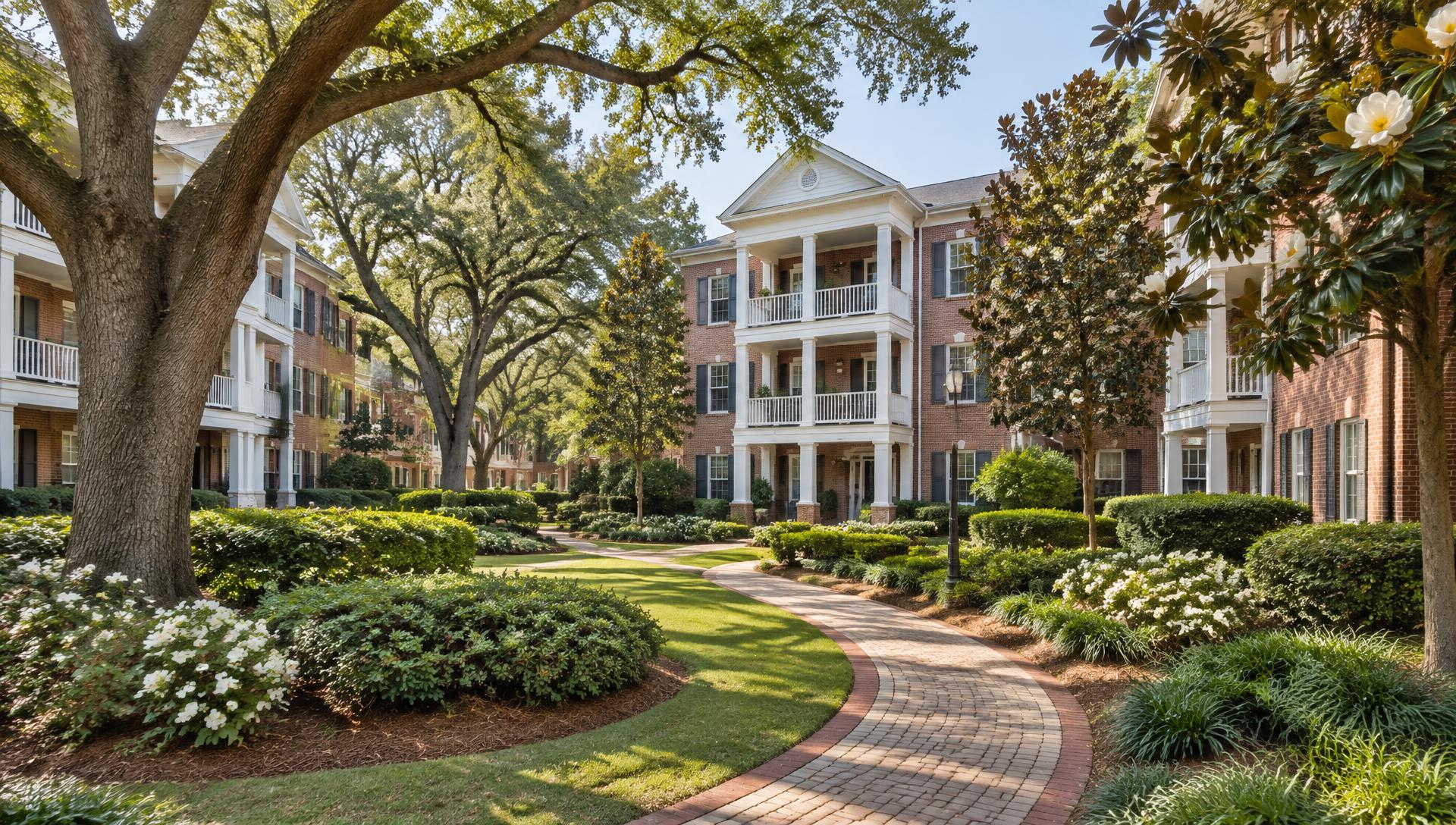
On a Tuesday morning in the Carolinas, the leasing office is already busy. A prospective resident has a tour scheduled for eleven. Another has questions about availability. Someone on the team is following up on yesterday's inquiries while a maintenance technician makes his way across the courtyard.
It is an ordinary morning in apartment management, where a hundred small details compete for attention and the next lease always matters.
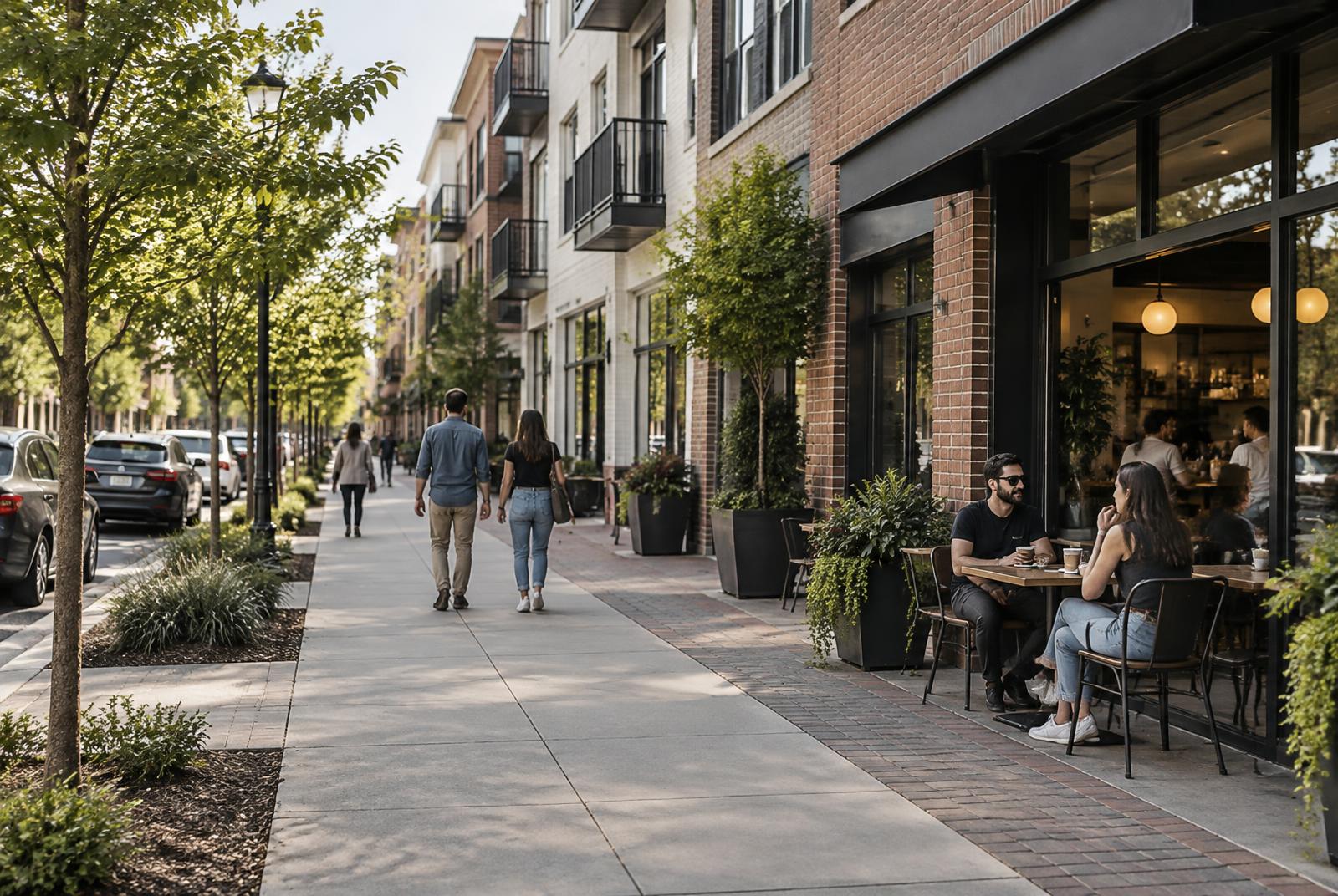
A few blocks away, however, another kind of opportunity is taking shape. Employees are arriving at a medical office. A neighborhood café is filling with regulars. A growing business is welcoming someone new to town.
Somewhere among those everyday routines is a person who may soon need an apartment.
The question is whether the community will ever have an opportunity to meet them.
Beyond the listing
Apartment marketing has become exceptionally good at helping people find available homes. Beautiful photography, sophisticated advertising, virtual tours, and online leasing tools have made the search more convenient than ever.
But being easy to find is not quite the same as being known.
Consider the difference between discovering an apartment through an advertisement and hearing about it from someone familiar with the neighborhood. The advertisement introduces a possibility. The personal recommendation adds context: what the location is like, how convenient the commute might be, or why the community deserves a closer look.
Neither path guarantees a lease. Both have value. Yet the second reminds us of something that can be overlooked when leasing is measured primarily through clicks, inquiries, and conversion rates.
People often begin making decisions about where to live long before they schedule a tour.
For apartment communities, that creates an opportunity extending well beyond the property entrance.
A nearby employer may regularly welcome relocating professionals. A local business may encounter newcomers looking for neighborhood recommendations. Existing residents may be the most credible voices a community has, provided their experience has earned that confidence.
These relationships are not built by distributing brochures and expecting immediate results. They develop through introductions, genuine curiosity, useful information, and the simple discipline of following through.
The advantage of knowing your neighborhood
For owners and operators, the practical starting point is surprisingly straightforward.
Look beyond the property's competitive set. Identify the employers, businesses, and community connections within a few minutes of the entrance. Learn where prospective residents work, what draws them to the area, and which relationships could make their search easier.
Then give the leasing team room to cultivate those connections—and a way to understand whether they are producing meaningful inquiries and tours.
The work requires consistency. It also requires a community worth recommending. Attractive landscaping, attentive service, a prepared leasing team, and a genuinely welcoming atmosphere must support the introduction.
Because the most effective marketing cannot compensate indefinitely for an experience that fails to deliver.
The strongest communities understand that leasing is both an operating discipline and a human one. Technology helps people discover a property. Good management gives them confidence in it. Relationships create opportunities for the two to meet.
And sometimes, the next lease begins not with another advertisement, but with a conversation just down the street.