
Property Performance
Vacancy Is More Expensive Than Most Owners Realize
The financial impact of an empty apartment extends beyond the rent that isn't collected.
3 min read
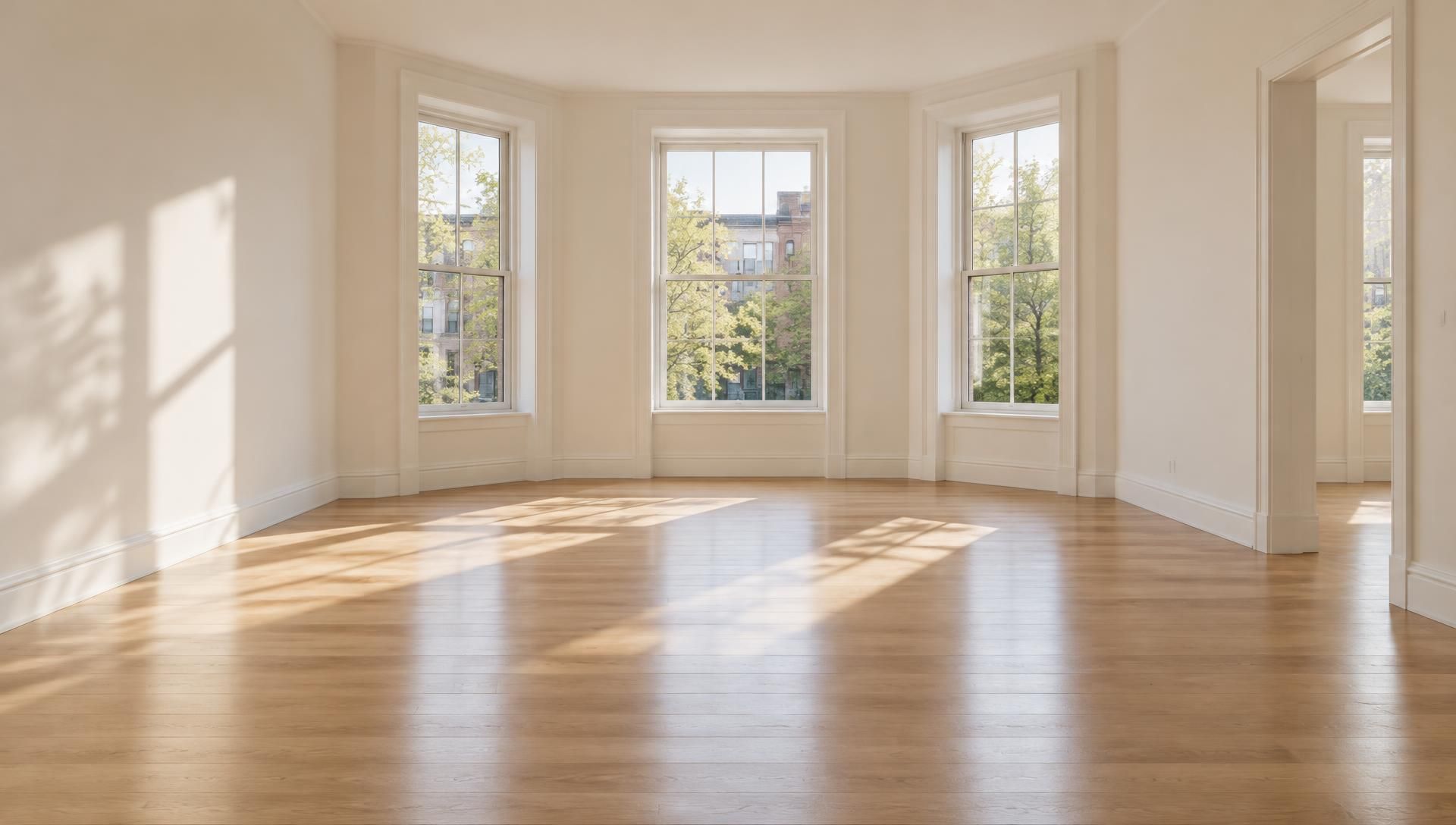
An empty apartment is very quiet. It does not call the office, submit a work order or complain about parking. It is, by every visible measure, the lowest-maintenance unit on the property. It is also one of the most expensive.
Most owners know vacancy costs them rent. Fewer have looked closely at everything else an empty apartment quietly charges to the property — and at how quickly those charges add up.
The obvious cost
Lost rent is the easiest part to calculate. Take the monthly rent, convert it to a daily figure and multiply by the number of days the apartment produces no income. Simple, visible and usually the only number in the conversation.
The less obvious costs
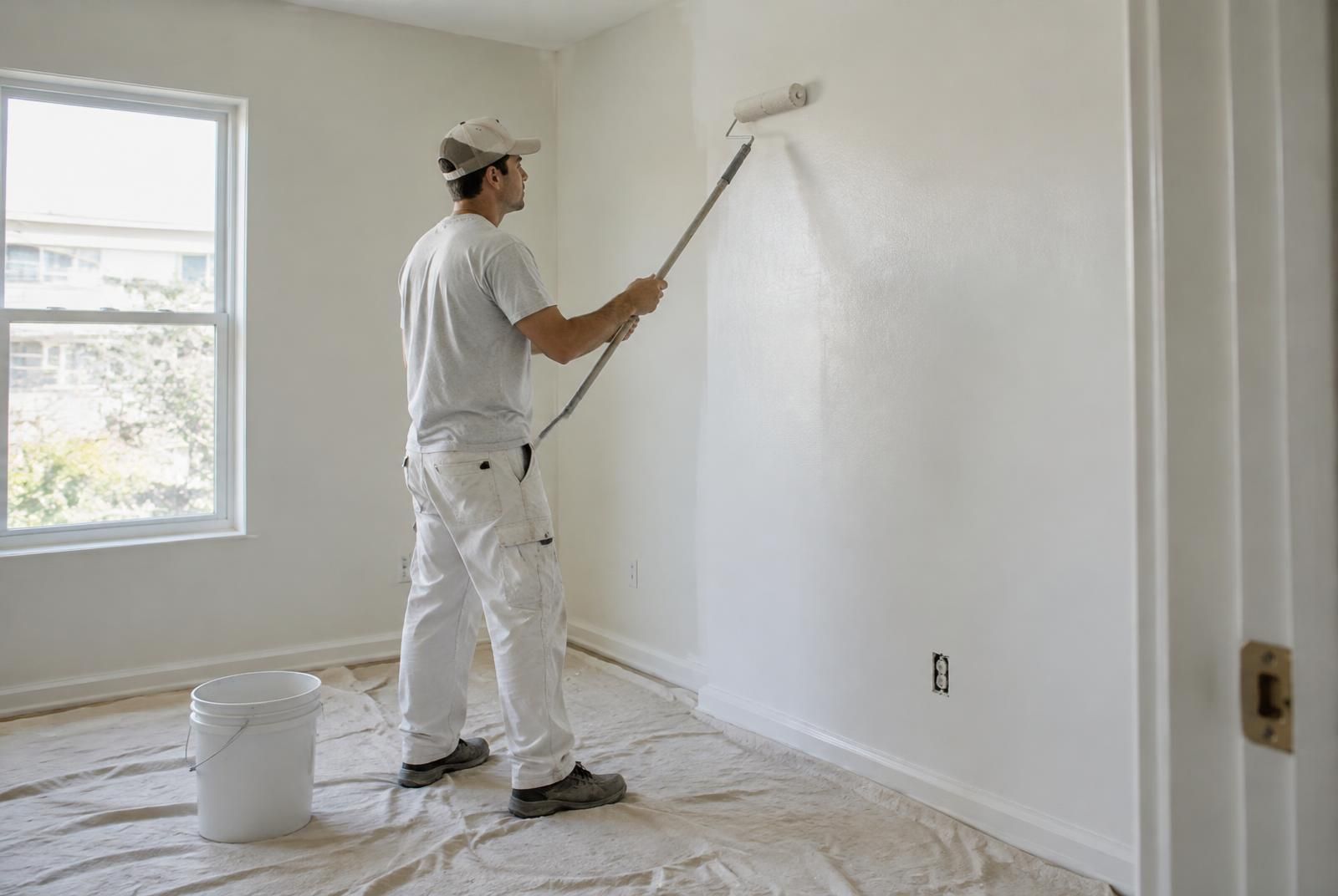
When a resident moves out, the apartment has to be prepared for the next one. Paint, cleaning, flooring repairs, appliance fixes, replacement blinds. If make-ready is delayed by staffing, parts or scheduling, the apartment simply sits — and every day it sits, the rent clock keeps running.
Meanwhile, the property often pays utilities for the vacant unit. In a softer market, the next lease may require a concession. And leasing staff spend real hours showing, following up and processing applications for an apartment that, a few weeks ago, needed none of that attention.
The useful discipline here is to count only what turnover actually adds. Property taxes, insurance and the manager's salary would be paid whether the apartment were occupied or not. They are real costs of operating the property, but not costs of this vacancy.
A hypothetical illustration
The figures below are illustrative assumptions, not data from any actual property. They match the worked example in CAG's True Cost of Vacancy worksheet.
| Item | Calculation | Amount |
|---|---|---|
| Monthly rent | Assumed | $1,500.00 |
| Daily rent | $1,500 × 12 ÷ 365 | $49.32 |
| Rent not earned | 45 vacant days × daily rent | $2,219.18 |
| Make-ready | Paint, cleaning, minor repairs | $1,200.00 |
| Vacant-unit utilities | Paid by the property while empty | $100.00 |
| Incremental turnover cost | Make-ready + utilities | $1,300.00 |
| Concession | To secure the next lease | $500.00 |
| Estimated total | Rent not earned + turnover + concession | $4,019.18 |
That single vacancy costs roughly 2.7 months of rent, even though the apartment was empty for only a month and a half. Real figures vary widely by market, property and season. The pattern, however, is remarkably consistent.
An empty apartment is the only unit on the property that costs money every day and never submits a work order about it.
What the spreadsheet misses
Some costs do not fit neatly in a column. A property with many vacancies feels different on a tour — more quiet hallways, more closed blinds. Teams under pressure to fill units often have less time for the residents who already live there. And a sudden wave of concessions can reset expectations for renewals months later. None of these are easy to measure. All of them are worth keeping in mind.
Where owners can make a difference
Seen this way, the practical levers become clear.
- Shorten make-ready. Schedule turns before move-out, stage materials early and track days from move-out to rent-ready.
- Pre-lease. An apartment leased before it is vacated may never produce a vacant day at all.
- Price thoughtfully. A slightly lower rent that leases two weeks sooner can be worth more than a higher rent that waits.
- Protect retention. Every renewal avoids the entire cycle above. That makes responsive maintenance and an early, genuine renewal conversation far more than service niceties. They are financial strategy.
Vacancy will never disappear completely; residents move for many reasons outside an operator's control. But understanding its full cost changes how owners evaluate decisions — from maintenance staffing to renewal pricing. An empty apartment, it turns out, is rarely as inexpensive as it looks.