Property Performance
Maintenance Is the Most Important Amenity
Residents may notice the pool first. They remember how a community responds when something needs attention.
3 min read
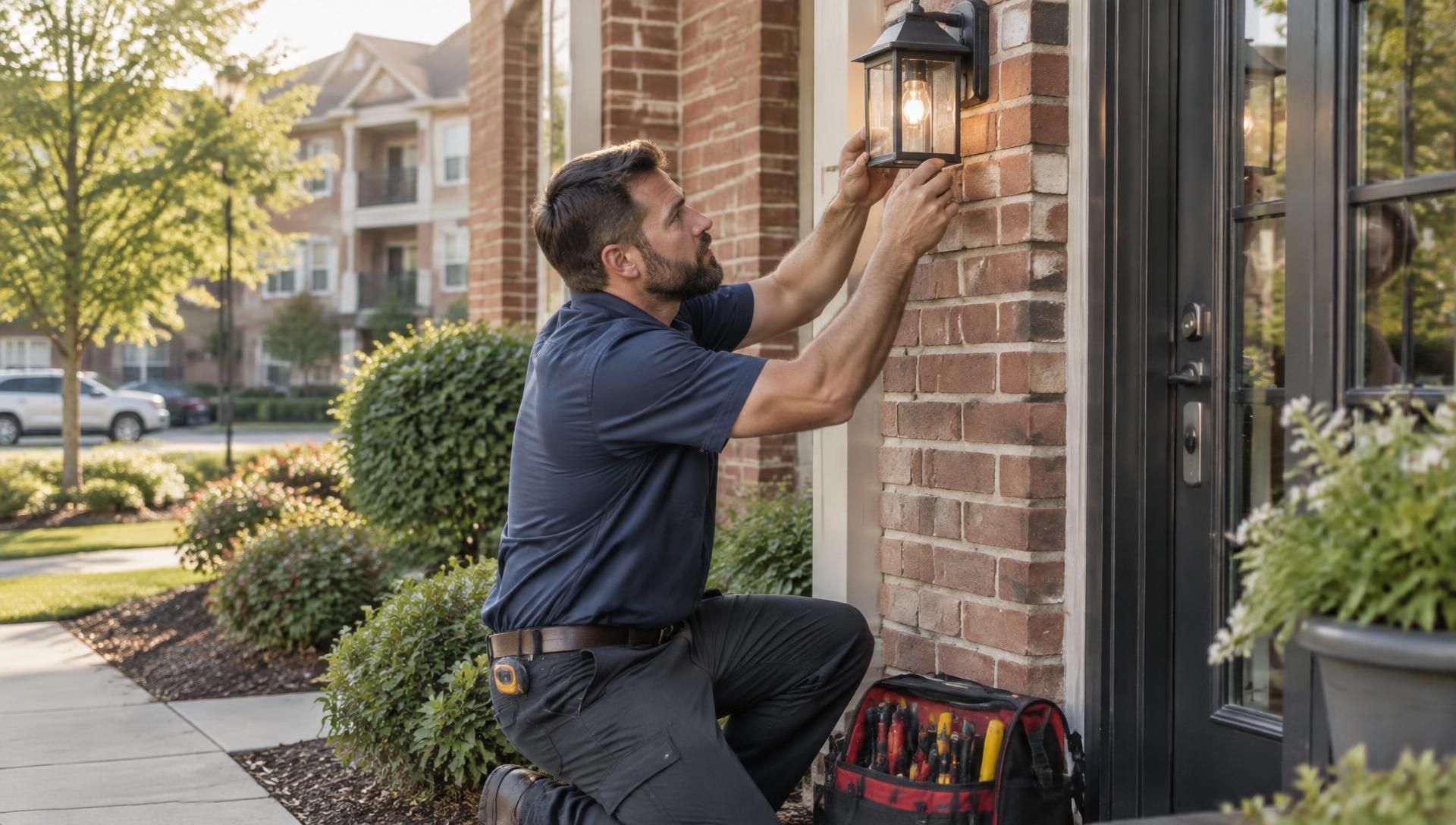
The tour shows the pool. The brochure features the fitness center. The website leads with the clubhouse and its rather ambitious espresso machine. And then the resident moves in, and none of those things decide whether they stay.
What decides it, more often than not, is the night the air conditioning stops working in August.
The moment of truth
Ask residents what they remember after a year in a community, and the answers rarely involve amenities. They remember how quickly someone responded when something broke. They remember whether the technician explained what was wrong, wiped the counter afterward and closed the cabinet door. They remember whether a request vanished into silence or was resolved with a short note saying so.
These experiences shape a resident's confidence in where they live far more than any feature list. A resident can enjoy the pool four months a year. They depend on the water heater every single day.
Responsiveness is a feeling as much as a speed
Fast repairs matter. But residents judge maintenance on more than the clock. They want to know the request was received, when someone is coming and what to expect. A clear acknowledgment and a realistic time window often matter as much as the repair itself, because uncertainty is its own frustration.
When a repair takes longer than hoped — a part on order, a vendor scheduled for next week — honest, proactive updates preserve trust. Silence erodes it, even when the work is ultimately done well.
Inside someone's home
Maintenance is one of the very few services that happens inside a resident's personal space. That makes it unusually personal.
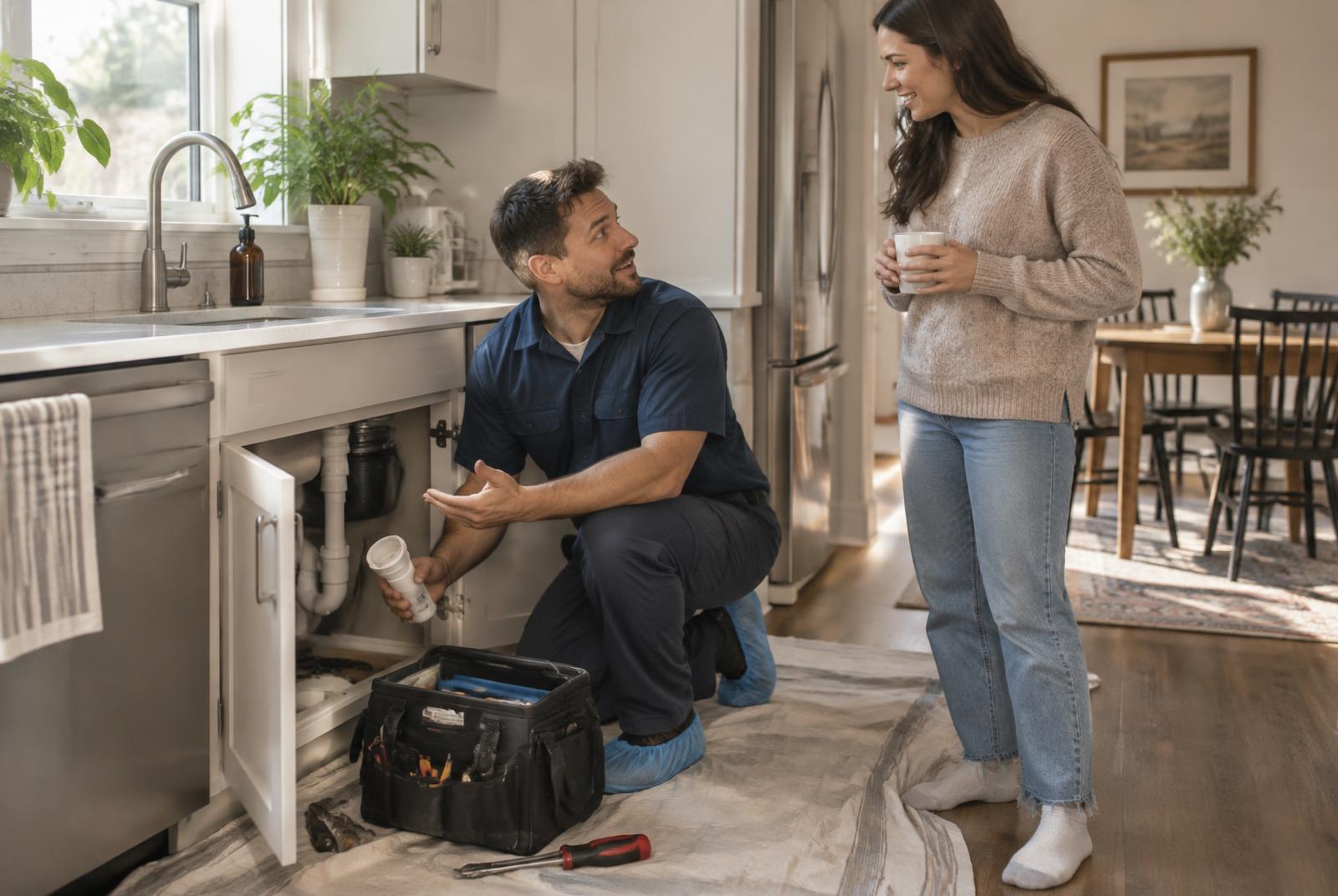
Picture it from the resident's side: a knock at the door, a technician who introduces himself by name, shoe covers on before stepping in, a drop cloth under the sink, a short explanation of what he found, and a kitchen left exactly as tidy as before. Nothing about that visit is extraordinary. All of it is remembered.
The opposite is remembered too, usually in more detail.
Residents enjoy the amenities. They depend on maintenance.
Prevention is service nobody sees
Some of the most valuable maintenance never generates a request. Regular inspections, filter changes, seasonal preparation, gutter cleaning, attention to building systems before peak demand — all of it reduces the number of problems residents ever experience.
Preventive work rarely earns a thank-you, precisely because it works. Its value shows up in fewer emergencies, more predictable budgets and a property that simply feels well cared for.
Service, reputation and renewal
When a lease comes up for renewal, residents weigh the full experience of living somewhere. For many, maintenance is near the top of that list. Online reviews tell the same story: comments about responsive, courteous maintenance appear again and again, as do complaints when service falls short.
For owners and managers, this makes maintenance more than an operating expense. It is one of the most important drivers of reputation and retention, and it deserves the staffing, training, tools and recognition that reflect that.
Amenities may help attract a resident. Reliable, respectful service is what helps them decide to stay.