The Market Note · September 2026 · Issue No. 009

The Market Note
Feature Story
The September Edition
The Hospitality Advantage
Published Monthly by Carolina Apartment Group
Charlotte, North Carolina
Since 2026
Issue No. 009 • September 2026
Featured in this Issue
The Hospitality Advantage
The little things people remember long after they've forgotten the amenity list.
This month's issue looks at hospitality not simply as courtesy, but as part of how great apartment communities operate—one conversation, one interaction and one small detail at a time.
Inside This Issue
What you'll find in this issue
- 01A Letter From RobertEverything got faster. Nothing got warmer. That gap may be the opportunity.Read
- 02The Hospitality AdvantageThe little things people remember long after they've forgotten the amenity list.Read
- 03Market MindsetThe return of human leasing — and why answering the phone has become a competitive act.Read
- 04From the FieldFive small habits people remember long after the tour.Read
- 05Building NeighborLinkOne membership. Two leasing engines. Better introductions from two directions.Read
- 06The First 100Why Charlotte's first NeighborLink network is being built before the launch begins.Read
- 07Are You One of the First 100?An invitation to the communities that believe the first conversation still matters.Read
- 08The CAG PhilosophyWhy the fundamentals keep outliving the shortcuts.Read
- 09Charlotte SpotlightWhy a city built on introductions became NeighborLink's founding home.Read
A Letter From Robert
People Remember How We Made Them Feel
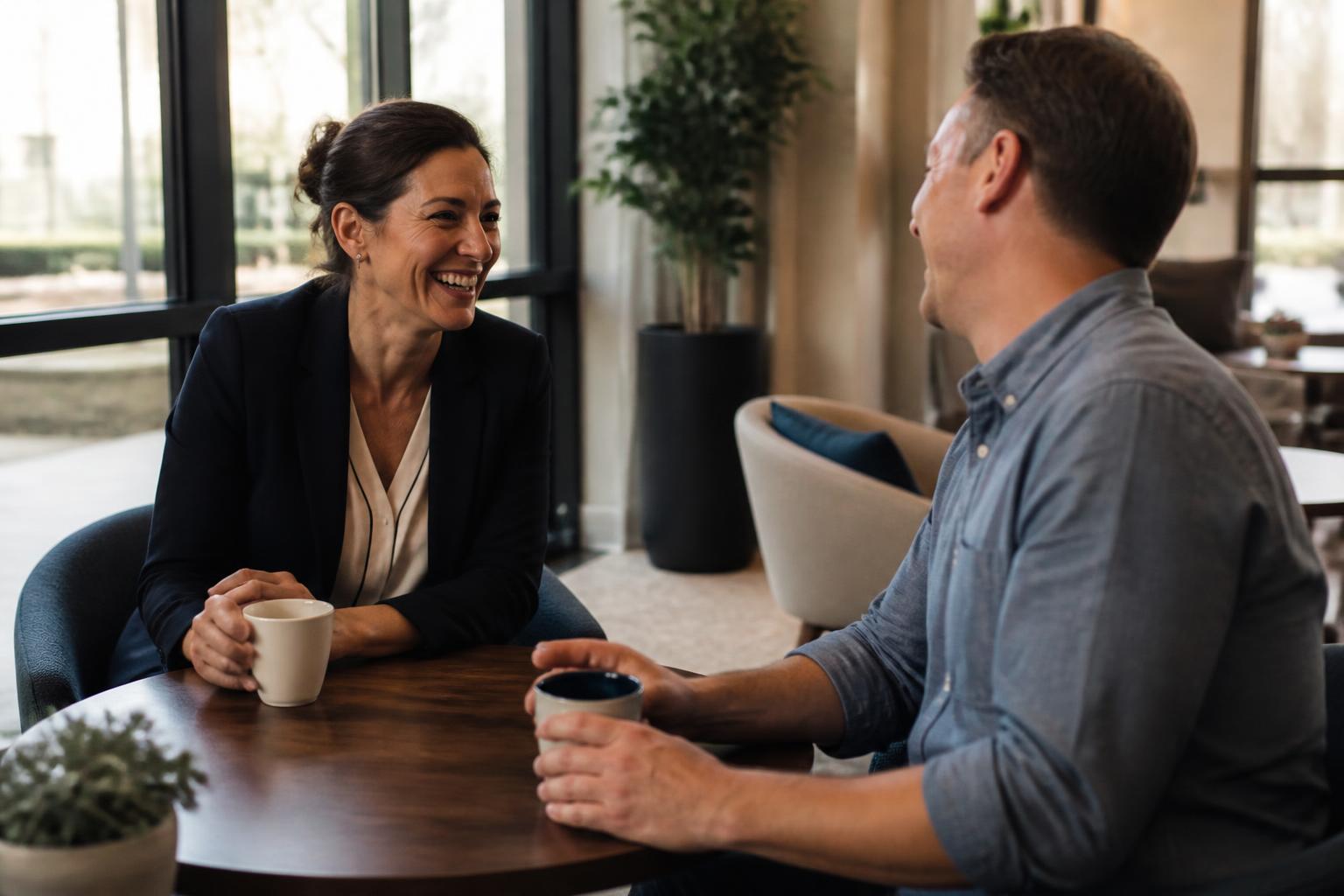
I had coffee last month with a leasing professional who has been doing this work for nineteen years. I asked her what had changed most during that time.
She thought for a moment.
“Everything got faster. Nothing got warmer.”
I haven't stopped thinking about it.
She wasn't criticizing technology. She uses more of it than I do. Her point was simpler: we've gotten very good at responding quickly without always making people feel like anyone actually responded.
Our industry has spent years removing friction, and much of that has been good. Instant pricing. Online applications. Self-guided tours. Answers at eleven at night when no human should have to provide them. Convenience is common now. People expect it.
What they don't always expect is to be recognized—to reach an actual person, get a straight answer before driving across town, or walk through the door and feel like somebody is genuinely glad they came.
Those things used to feel ordinary. Today, they stand out.
That's what this issue is about. The simple things still matter, and today they may matter more than ever.
The communities that impress me most aren't necessarily the ones with the biggest budgets or the longest list of amenities. They're well cared for. The grounds are clean. The office feels fresh when you walk in. Somebody looks up and greets you. The manager remembers the resident who just had surgery. Maintenance finishes a repair and lets the resident know it's done instead of making them wonder.
None of that is expensive. But all of it tells you somebody cares.
And when those little things happen consistently, people notice.
You cannot buy your way into being remembered. You earn it one interaction at a time.
Warm regards,
Robert Hodge — President, Carolina Apartment Group · Co-Founder, NeighborLink Living
Everything got faster. Nothing got warmer. That gap may be the opportunity.

Feature Story
The Hospitality Advantage
The little things people remember long after they've forgotten the amenity list.
You can usually feel a well-run apartment community before anyone says a word.
The grounds are cared for. The breezeway is clean. The leasing office feels fresh and welcoming. And when you walk through the door, someone looks up, smiles and seems genuinely glad you're there.
None of those things appear on an amenity list, but people notice them.
For years, apartment communities have competed with finishes and features. Granite became quartz. Dog parks became dog spas. Clubrooms became coworking spaces. Rooftops, package rooms, fire pits and fitness centers became part of the race. Those things matter, and they can absolutely help someone choose one community over another.
But eventually, the community down the street can buy them too.
What they can't buy is the way your team makes someone feel.
That's hospitality. And more often than not, it shows up in the smallest details: answering the phone, returning the message, being honest about what's available, explaining the price clearly, knowing the apartment before the tour and making the person walking through the door feel expected rather than processed.
None of that is complicated. That's probably why it's so easy to underestimate.
We spend a lot of time in this industry thinking about how to get someone's attention. Advertising matters. Technology matters. Visibility matters. But getting someone's attention and earning their trust are two different things.
Marketing can bring someone to the door. Hospitality gives them a reason to remember what happened when they walked through it.
And that experience doesn't end when the lease is signed. A resident remembers whether someone acknowledged the maintenance request, whether they knew when help was coming and whether anyone followed up when the work was complete. They remember the person who checked in after move-in, the team member who called them by name and the small problem someone cared enough to solve before it became a big one.
Those details may feel small to us. They rarely feel small to the person experiencing them.
Technology can help here, too. The best systems don't replace hospitality; they make room for it. They carry the reminders, information and routine work so people have more time for the things technology can't do quite the same way: listen, respond, remember and welcome.
That's part of what we're thinking about as we build NeighborLink. Not how technology can replace another part of the leasing experience, but how it can make the introduction easier and help a better conversation begin.
Because in a market where communities can often offer similar apartments, similar amenities and similar concessions, one advantage remains remarkably difficult to copy:
How it feels to be welcomed by your team.
Every operator can buy amenities. No operator can buy the way your team makes people feel.

Market Mindset
The Return of Human Leasing
Technology isn't disappearing. It's learning where to stand.
Markets rarely announce when something is changing. Usually, we notice it little by little.
We may be seeing that now with automated leasing.
A renter can encounter a chat widget, automated text, scheduling link, email and another text—sometimes from the same community within an hour. Each can be useful. Together, they can start to feel like a wall.
Answering the phone has quietly become a competitive act.
Renters have also been trained by nearly every other industry to expect transparency: real prices, real availability and straight answers. If the apartment isn't available, say so. If the special ends Friday, say so. If parking costs extra, explain it before the tour is over.
None of that requires a new piece of technology. Sometimes a quick conversation with the person who actually works at the community communicates something a perfect brochure cannot:
There is a real person here.
We should keep removing administrative friction—repetitive forms, unnecessary steps and information renters shouldn't have to hunt for. But we shouldn't confuse a human conversation with friction.
The conversation isn't the obstacle. Done well, it's the point.
The return of human leasing isn't a rejection of technology. It's simply putting technology in the right place.
Let the system carry the logistics so the person can carry the relationship.
Convenience can make things easier. A person earns the trust.

From the Field
Five Moments People Remember
The smallest gestures in this business often have the longest memory.
Hospitality rarely announces itself. Usually, it's something small.
One. Greeting someone by name.
A conversation changes when someone hears their name from a person who actually remembers it. Great teams aren't born with better memories; they build habits around remembering the little things—the dog, the new job, the daughter starting college.
Two. Walking them to the car.
The tour doesn't have to end at the model. Another ninety seconds says something simple: I'm still your host even though the tour is over.
Three. Remembering the dog.
Know the dog's name. Keep a few treats behind the desk. Remember which one hates the elevator. Pets make conversation easy, and remembering a pet's name has a funny way of making the person feel remembered, too.
Four. A handwritten card.
A handwritten note gets noticed because almost nobody sends one anymore. Not a printed thank-you—a real note. Mention something from the conversation. Wish them luck with the new job. Ask how the move went. Tell them it was nice meeting their family.
That's the part people remember.
Five. The day-ten hello.
Most communities communicate intensely before the lease and then become surprisingly quiet right after move-in. Try the opposite.
Ten days later, reach out. Nothing to sell. Nothing to fix. Just: How is everything going?
What connects all five isn't expense or technology. It's habit.
People don't remember your hospitality program. They remember whether hospitality is how you behave.
The smallest things are rarely small to the person receiving them.

Building NeighborLink
One Membership. Two Leasing Engines.
One captures today's renter intent. The other helps build tomorrow's relationships.
Most apartment marketing begins with someone already searching. That's important, but it also means communities in the same neighborhood are often competing for the same renter at roughly the same time.
NeighborLink approaches the opportunity from two directions.
Engine One
NeighborLink Apartment Marketplace
Intent-Driven Introductions
The Marketplace connects communities with renters already planning a move. It begins with three simple things.
- WHERE
- Where do you want to live?
- WHEN
- When do you want to move?
- PRICE
- What works for you?
That's it. Three answers. One better introduction. The community receives useful context before the conversation begins without replacing its people, process or hospitality. The renter doesn't need another complicated profile. The leasing team doesn't need another cold name on a list. Both sides simply have a better reason to begin talking.
Engine Two
Great Neighbor Preferred Employer Network™
Relationship-Driven Introductions
Great Neighbor begins earlier. It develops relationships with employers and community partners that can create introductions, keep participating communities visible locally and produce leasing opportunities over time.
Advertising creates awareness. Relationships build familiarity and trust. And a good relationship doesn't have to disappear when an advertising campaign ends.
One captures today's renter intent. The other helps build tomorrow's relationships. Together, they give communities more reasons for good conversations to begin.
The Great Neighbor Standard
A Preferred Employee Should Receive a Preferred Experience.
A trusted introduction should feel different. That's why every Participating NeighborLink Community provides five Great Neighbor Signature Benefits.
Up to 72 Hours
Great Neighbor Apartment Hold
Fees Waived
Application + Administrative
$250
Great Neighbor Move-In Credit
5%
Great Neighbor Monthly Rent Benefit
A Better Welcome
The Great Neighbor Welcome
Not five disconnected offers. One recognizable experience.
Easy for employers to explain. Easy for employees to understand. Easy for leasing teams to deliver.
Every Great Neighbor receives the standard. Communities can make the experience even better with additional benefits, local partnerships and hospitality touches of their own.
Consistency creates confidence. Flexibility creates distinction.
Maybe the simplest way to explain what we're building is to imagine what we'd like someone to say afterward:
“They knew I was coming. They knew who introduced me. And they were ready to welcome me.”
That's where relationship and hospitality meet.
One membership. Two leasing engines. Better conversations from both directions.
Building the Founding Network
The First 100
Before a marketplace can create better introductions, there have to be great communities on the other side.
NeighborLink Living is preparing for its first citywide launch in Charlotte.
Before we introduce it broadly to renters and employers, we're doing something intentionally old-fashioned: we're building the relationships first.
Our goal is to begin with 100 Participating NeighborLink Communities across Charlotte.
Not simply 100 listings.
One hundred communities prepared to receive better introductions, respond personally, honor the Great Neighbor Standard and help us build a marketplace around better conversations.
Why 100? Because a renter looking for a home shouldn't find three choices, and an employee shouldn't receive a benefit that's only useful in one neighborhood. The more neighborhoods the network reaches, the more useful it becomes to employers and their people.
We want enough participating communities across Charlotte that when someone tells us where they want to live, when they need to move and the price that works for them, there is a meaningful group of communities ready to have the conversation. And when a Great Neighbor employee needs a home, we want their employer to be able to say:
“NeighborLink can help.”
What Happens Next
This fall, our team will begin preparing the first participating communities inside NeighborLink and developing relationships with priority employers across Charlotte. Then, during the fourth quarter and holiday leasing season, we plan to begin introducing both leasing engines.
The NeighborLink Apartment Marketplace will connect participating communities with renters already planning a move. Great Neighbor will begin creating relationship-driven introductions through employers and community partners.
One starts with the renter who is looking today. The other helps create relationships before the apartment search even begins.
One Membership. Two Leasing Engines. One Charlotte network being built relationship by relationship.
The fourth quarter is traditionally a time when apartment communities work harder for the demand that's available. We want to do that—and something else.
We want to use those same months to build relationships that can still matter next spring.
The goal isn't simply to finish 2026 with more leasing activity. It's to begin 2027 with more relationships already in place.
An Invitation
Are You One of the First 100?
We're looking for communities that already believe the first conversation matters.
You don't need a new leasing team. You don't need to replace your property management system. And you don't need another complicated lead funnel.
You need to be willing to do a few things well:
Answer. Listen. Be transparent. Honor the introduction. Make people feel welcome.
NeighborLink handles the infrastructure around the introduction. Your team does what great leasing teams have always done: turn an introduction into a relationship.
That can be as simple as answering when someone calls, knowing why they're coming in, giving them a straight answer when an apartment isn't available, remembering what mattered to them when they come back for a second look and making them feel welcome whether they lease today, next week or somewhere else entirely.
That's hospitality.
If that sounds like the way your community already operates—or the way you want it to operate—we'd like to meet you.
Become One of Charlotte's First 100 Participating Communities
Join us as we prepare to introduce NeighborLink's two leasing engines and begin developing the employer relationships that can help create new introductions across Charlotte.
We're building this one community, one employer and one relationship at a time.
Let's start with a conversation.
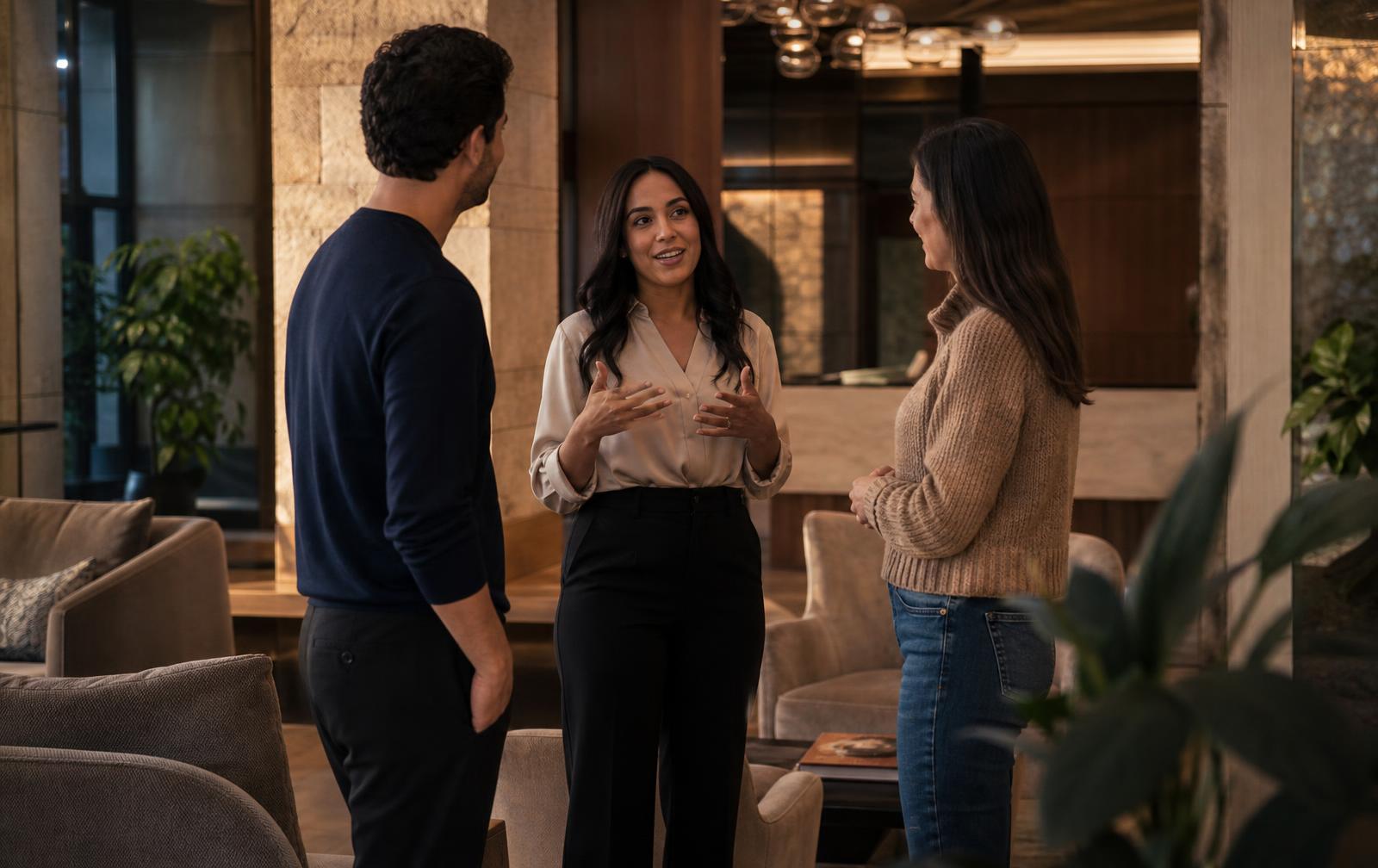
The CAG Philosophy
Winning the New Old Way
The tactics change. The fundamentals have been remarkably stubborn.
Carolina Apartment Group has been around long enough to watch plenty of industry “sure things” arrive, become commonplace and eventually become noise.
What survived was considerably less fashionable:
Relationships. Visibility. Consistency. Hospitality. Local partnership.
Not simply because they're good values. Because they work.
Relationships are built one visit and one conversation at a time. Visibility comes from showing up when you don't need something. Consistency matters most on the Saturday when you're understaffed, somebody called out and everything seems to go wrong at once.
Hospitality is what the customer experiences while you're dealing with all of it. And local partnerships put your community into conversations advertising may never reach.
That thinking eventually helped produce NeighborLink.
Pricing has a system. Screening has a system. Maintenance has a system. Yet one of the most valuable moments in leasing—the introduction between someone who needs a home and someone who has one—is still too often left to luck and advertising.
We think that deserves some infrastructure too.
Shortcuts can work quickly and disappear just as quickly. Fundamentals take longer to build, but they have a way of lasting.
Winning the New Old Way isn't about going backward. It's about carrying forward the things that never stopped working.
If This Philosophy Sounds Familiar…
Across these pages we've made one argument several different ways: hospitality matters, responsiveness matters, relationships are more valuable when they're built before they're needed, and technology works best when it helps people be more human—not less.
NeighborLink puts some infrastructure around those ideas.
Intent-Driven Introductions
The NeighborLink Apartment Marketplace connects communities with renters already planning a move.
Relationship-Driven Introductions
The Great Neighbor Preferred Employer Network develops relationships that can create tomorrow's introductions before an apartment search begins.
And Then Comes the Part Technology Can't Do.
Someone answers.
Someone listens.
Someone remembers.
Someone welcomes.
NeighborLink can help begin the conversation. Your team makes it worth remembering.
One Membership. Two Leasing Engines.
Better conversations today. Stronger communities tomorrow.
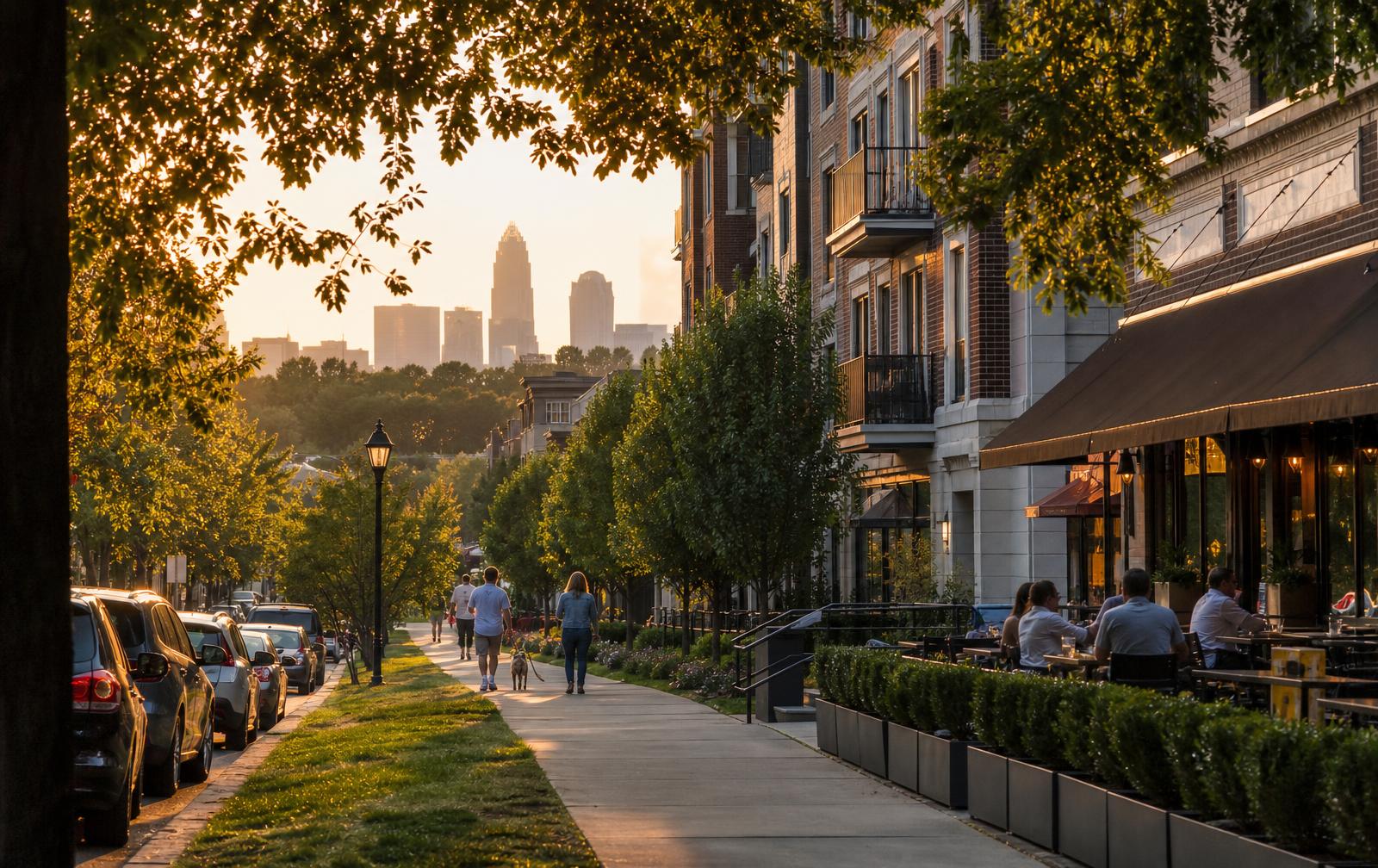
Charlotte Spotlight
Why Charlotte Still Leads
A city that grew quickly without losing the habit of introducing people to each other.
Charlotte is still a city where people introduce people.
Ask how someone found a job, a contractor, a doctor—or an apartment—and there's a good chance the answer involves a name. That matters in a city that continues welcoming newcomers.
When someone arrives from another state or another country, a leasing professional can become something more than the person showing an apartment.
For forty-five minutes, they may be someone's introduction to Charlotte.
Where should I eat? Can I walk here? Where's the greenway? How long will it really take me to get to work? What does this neighborhood actually feel like?
Those aren't questions about square footage or stainless-steel appliances. They're questions about life.
And a good leasing professional who knows Charlotte can answer them in a way a search result never quite can.
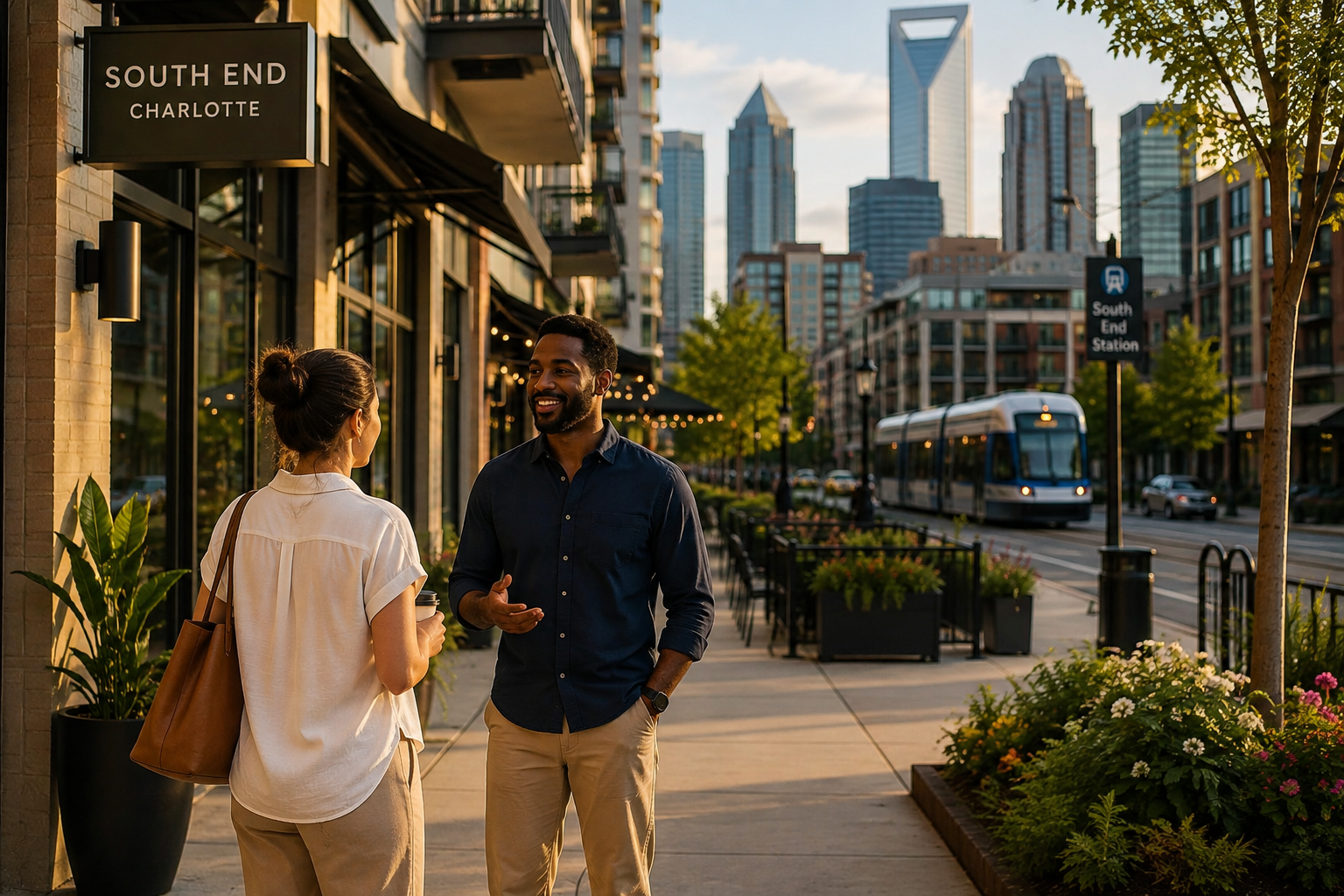
Charlotte is a city of neighborhoods, and helping someone choose the right one still takes more than a filter. South End doesn't feel like Cotswold. NoDa doesn't feel like Ballantyne. Plaza Midwood doesn't feel like SouthPark.
That's part of what makes this city interesting—and part of what makes helping someone find a home here personal.
It's also one reason Charlotte became NeighborLink's founding city rather than simply its test market.
A test market is somewhere you take an idea. A founding city is where the idea came from.
Before We Go
Thank you for spending part of your month with us.
This issue began with a simple question:
Can hospitality still be a competitive advantage?
We think the answer is hiding in plain sight—in the phone that gets answered, the price explained honestly, the grounds somebody took the time to walk before opening, the name remembered, the maintenance request followed through, the resident checked on and the guest welcomed before anyone asks whether they're ready to apply.
None of those things is revolutionary.
Maybe that's the point.
Technology will keep getting better. Advertising will keep getting smarter. Amenities will keep changing.
But there is still one advantage the community down the street can't simply copy: the way your people make someone feel.
Until next month
Thank you for spending time with us. Somewhere this morning, someone walked into a leasing office hoping to be treated like a guest. We hope they found you.
Continue the Conversation
The Market Note
Carolina Apartment Group · Issue No. 009 · September 2026
© 2026 Carolina Apartment Group. All rights reserved.
The Market Note · September 2026 · Issue No. 009