Apartment marketing has never had more technology behind it. More listings, more ads, more automation, more follow-up and more ways to reach a renter. And all of that technology has made remarkable things possible. A renter can explore dozens of communities without leaving the couch, get a question answered at midnight, schedule a tour in seconds and know more about the apartment market than ever before.
But more choice doesn't always make choosing easier.
When hundreds of communities can appear in a search and every one is working hard to be noticed, finding the right home can become its own kind of work. And for apartment teams, there's another side to the same equation: as more communities use many of the same channels, automation and marketing tools, it can become harder to truly stand out.
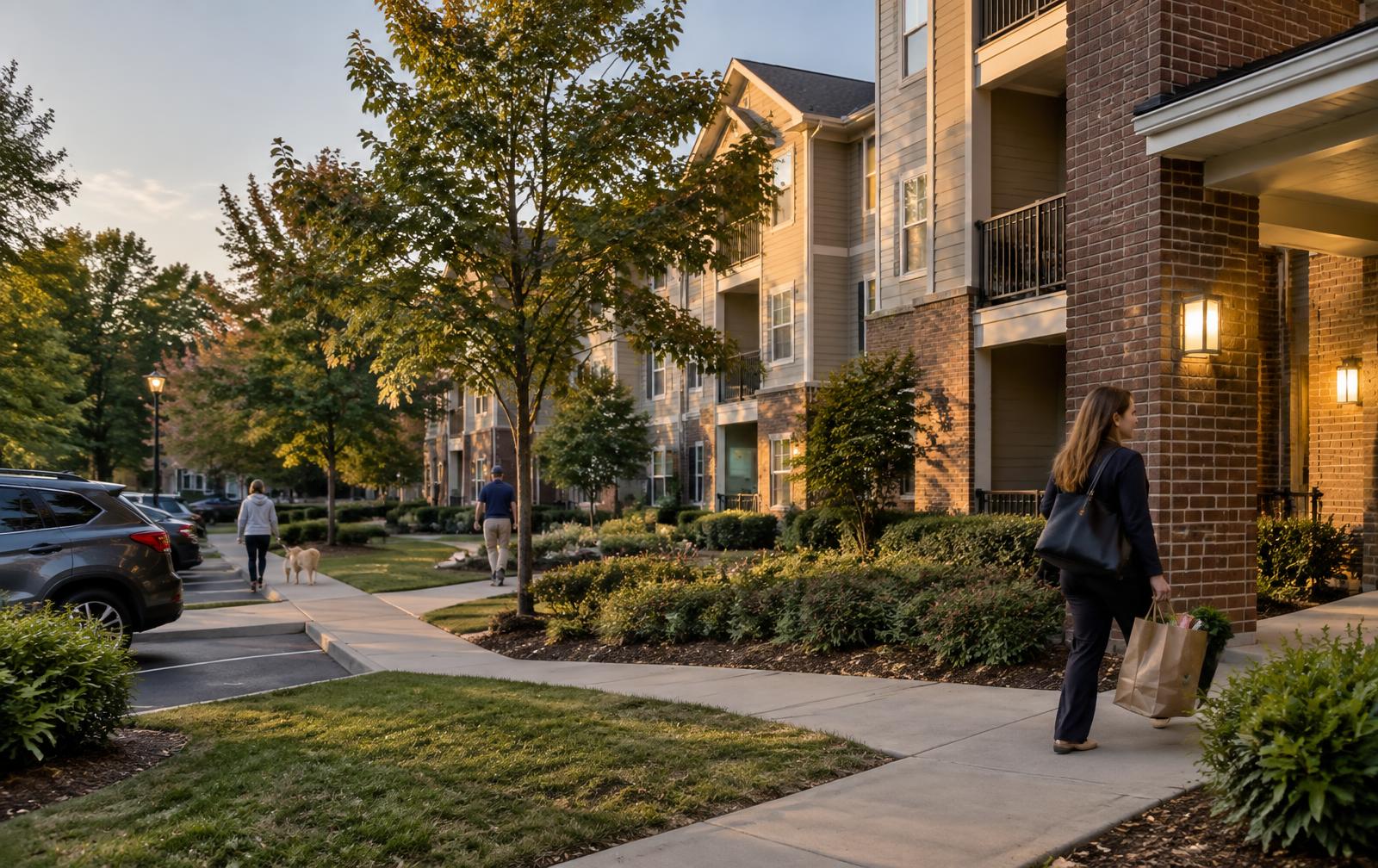
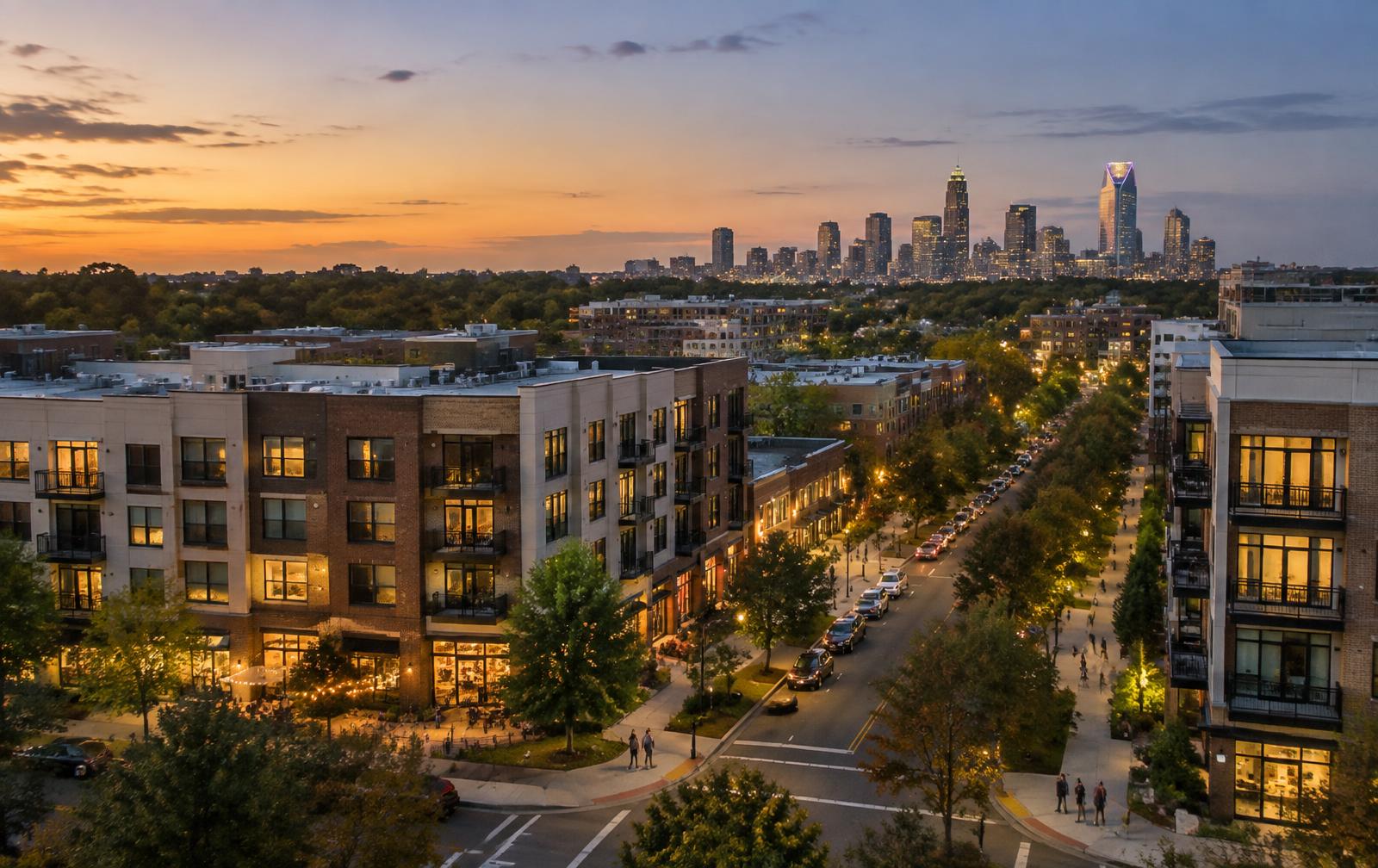
That's important because apartment communities aren't all the same. Every community has a location, a team and a story of its own. Somewhere nearby is a renter with a story too—and what might make one community feel different from all the others is often discovered in a human moment.
As technology becomes more capable, people appear to be placing greater value on the things that still feel unmistakably real: authenticity, trusted recommendations and knowing there's an actual person on the other side of an important conversation.
People aren't necessarily asking for less technology. They're becoming more thoughtful about when they want convenience and when they want connection.
Finding a home happens to involve quite a bit of both.
A renter may happily search at midnight, explore communities from the couch, schedule a tour online or get a quick answer without making a phone call. But when someone is deciding where they're going to live for the next year—or perhaps several years—there are moments when another automated response isn't what moves the conversation forward.
Sometimes, a person needs a person.
Someone who knows the community can answer the question that wasn't in the FAQ, explain what living in the neighborhood actually feels like and listen long enough to understand what really matters to the person standing in front of them.
That's not a rejection of technology. It's technology doing its job well enough to create more time for people to do theirs.