
Leasing & Marketing
Turning Local Demand Into Lasting Occupancy
Finding interested renters is only the beginning. Turning interest into lasting residency requires an experience worth choosing.
3 min read
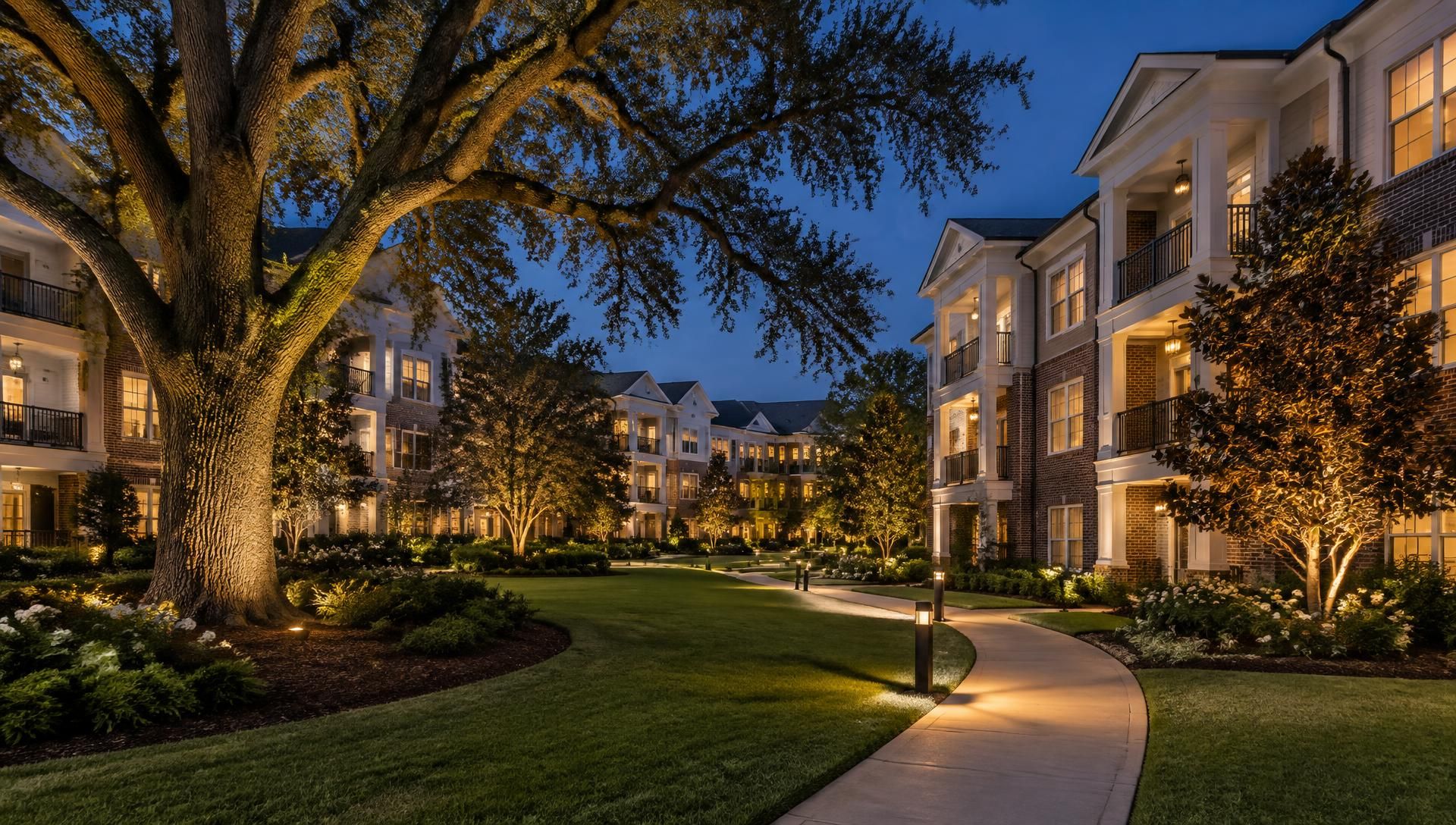
Most leasing reports tell the story of a resident in fragments. A lead source in one column. A tour date in another. A move-in, a renewal, eventually a move-out. Each number is accurate. Together they miss the thing that actually happened: a relationship that either grew or quietly faded.
Let us follow one hypothetical renter through that whole relationship instead. We will call her Maya. She is not a real person, but almost every leasing team has met her.
Discovery: a name in conversation
Maya first hears about the community from a coworker at lunch. Nothing elaborate — just "I live over there, it's nice, the maintenance guys are great." That evening she looks it up.
This moment is already the product of years of work. The coworker's good experience, the reputation reflected in online reviews, the photographs that match reality. Local demand rarely begins with an advertisement. More often, it begins with a resident who is quietly pleased.
Inquiry: the first real test
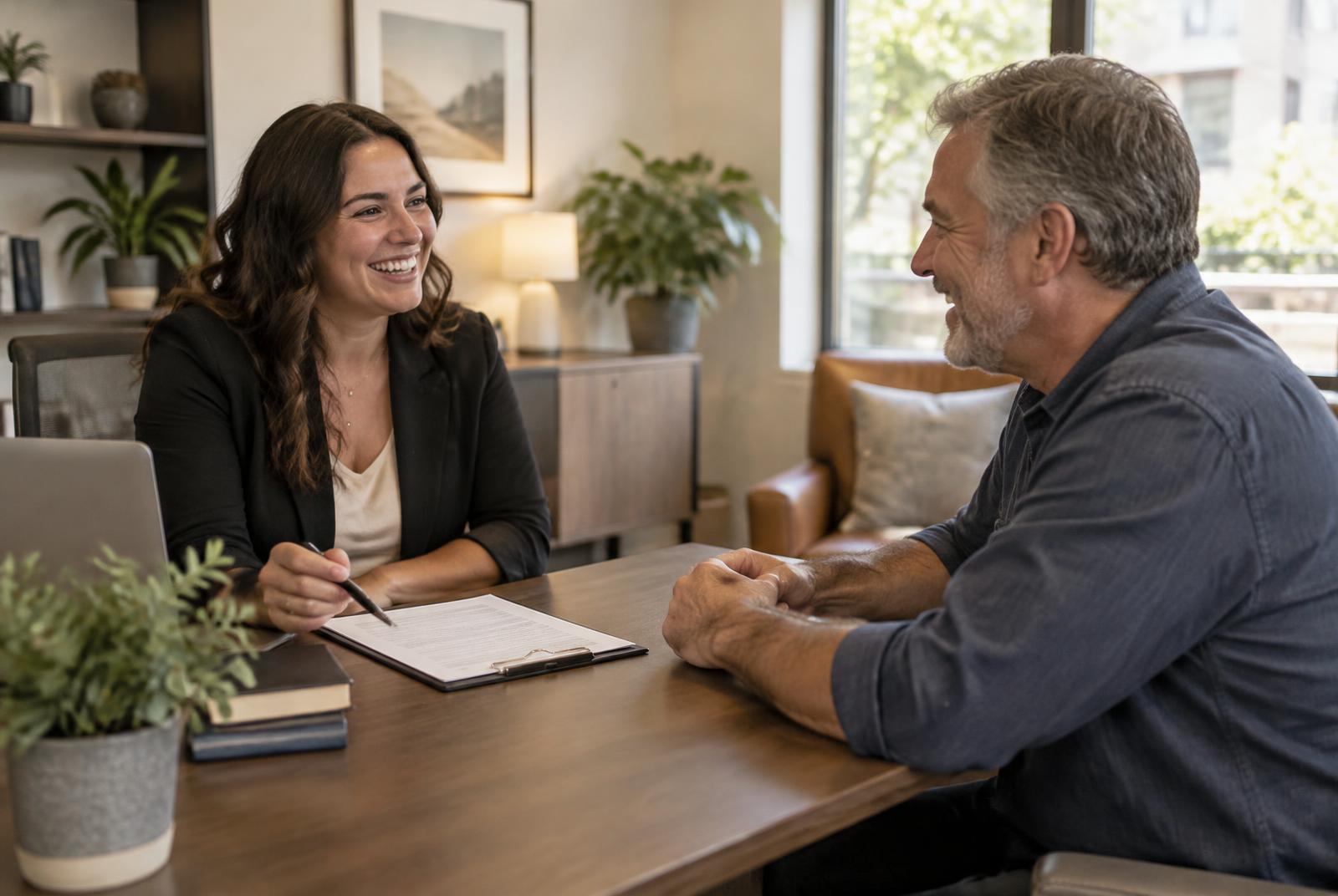
Maya sends a message on a Thursday evening. Whether the relationship continues depends heavily on what happens next.
A prompt, personal reply that answers her actual question and asks one of its own — why she is moving, when, what matters most — tells her this is a place that listens. A slow or generic reply tells her something too. Many promising relationships end right here, and nobody in the leasing office ever knows they existed.
Tour: does the place match the story?
Maya visits on Saturday. The walkway is clean. The apartment she sees is the one she asked about, and it is ready. The leasing professional remembers that she mentioned her dog and shows her the walking path. The visit feels like a conversation rather than a presentation.
A tour succeeds when the property matches what she has heard and seen. It struggles when the apartment is not ready, the grounds tell a different story, or the follow-up never arrives.
Lease and move-in: promises become expectations
Maya signs. Everything said during the tour — the reserved parking, the quick maintenance, the friendly neighbors — has now become an expectation. The move-in experience, and especially the first maintenance request, will test whether those expectations were realistic.
The first year: small moments, accumulating
Over the next twelve months, Maya has perhaps four maintenance requests, a dozen package pickups, two community events she attends and one she skips, and countless ordinary walks past the leasing office. None of these moments is decisive. All of them are being counted.
Renewal: the second decision
Ninety days before her lease ends, Maya faces a decision that feels a lot like the first one. Moving is expensive and tiring, but so is staying somewhere that has disappointed her. Her renewal decision is, in effect, a review of the entire year.
If the year went well, the renewal conversation is easy and warm. She may even mention a friend who is looking. And with that, the cycle begins again — this time with Maya as the coworker at lunch.
Volume is not the same as occupancy
When results disappoint, the instinct is often to generate more leads. Sometimes that is the right answer. But it is worth looking first at where relationships are ending. A community that loses many prospects after the inquiry, or many residents at the first renewal, may gain more from fixing that single stage than from doubling its marketing.
Lasting occupancy is not built by attracting more people. It is built by giving the people who arrive good reasons to stay — and, eventually, to send someone else.