
Leasing & Marketing
The Most Overlooked Advantage in Multifamily Marketing
Sometimes a property's greatest selling point is everything that surrounds it.
3 min read
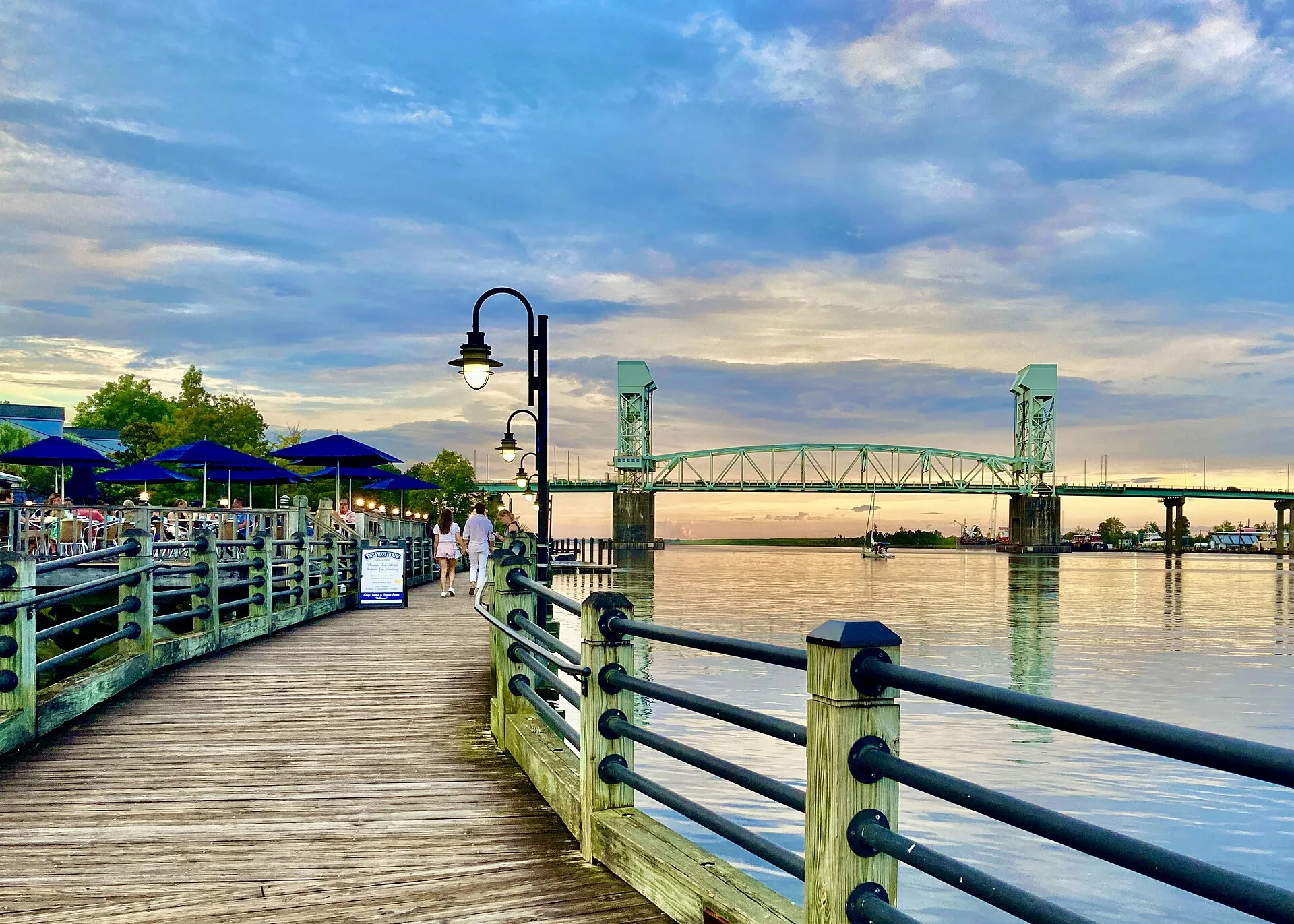
Every apartment community has a pool. Or a fitness center. Or quartz countertops, a dog park, a package room and a resident lounge with a coffee machine that is either beloved or quietly feared. These features matter. But they also sound remarkably similar from one listing to the next.
Here is what only one community has: its exact place in the world.
The corner it sits on. The eight-minute walk to the farmers market. The view of the river from the third floor. The fact that the best tacos in town are just across the street, and everyone who lives there knows it. Location is the one feature a competitor cannot copy, renovate or add next year. And it is often the feature a property's marketing describes least well.
"Conveniently located" is not a description
Most apartment marketing handles location in a single sentence, usually containing the words "conveniently located" and a list of nearby highways. That sentence is accurate. It is also nearly invisible, because every listing in the submarket says it.
Renters are not choosing a list of nearby places. They are choosing a daily routine. They want to picture where they will get coffee, how long the drive to work actually takes on a Tuesday, where they will walk the dog, and what Saturday morning looks like. Marketing that helps them picture that routine is doing something a floor plan cannot.
People do not move to an amenity package. They move to a life that happens to include one.
Matching place to person
The most persuasive location story depends on who is listening. A graduate student and a young family may live in the same building for very different reasons. One values the quick ride to campus and the late-night pizza place. The other values the elementary school, the park and the quiet street behind the property.
Effective leasing teams learn to match the neighborhood to the person. During a tour, that may mean pointing out the walking trail to a runner, the nearby pediatrician to new parents, or the direct route to the hospital to someone starting a new job there. In digital marketing, it may mean neighborhood stories written for distinct audiences rather than a single generic paragraph.

Turning place into marketing
Building a strong location story is practical, not mysterious.
- Walk it and drive it. Time the real commutes at real hours. Walk to the coffee shop. Note what is genuinely good, not merely nearby.
- Ask residents. Current residents are the best guides to the neighborhood. Ask what they love about it, and use their language rather than marketing language.
- Be specific. "Six minutes to the medical campus by the back road" beats "close to major employers" every time.
- Show daily life. Photograph the street, the park, the café table — not only the clubhouse.
- Keep it current. Restaurants close, new trails open and road projects end. A neighborhood guide is a living document.
The advantage that stays
A property can renovate its kitchens or add a new amenity. It usually cannot move. That is precisely why location deserves more attention than it typically receives.
For many residents, the decision to rent an apartment is really a decision about how they want to live. The communities that tell that story well — honestly, specifically and with a little affection for the neighborhood — give renters something no feature list can: a clear picture of themselves already living there.